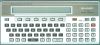
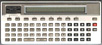
Sharp PC-1500/TRS-80 PC-2 : how to transfer programs to/from
a PC using the tape interface.
Loading a program from the library to the PC-1500 / PC-2:
- Download and unzip the program (for example, use 7-zip).
- Connect the EAR input of your tape interface to the LINE
output of the sound card.
- Enter the appropriate CLOAD command on your pocket
computer.
- Play the WAV file on the PC (you can start your tests
with a low volume, and adjust it if necessary).
Digitizing a PC-1500 / PC-2 save file:
- Get a digitizing program (such as
Audacity) .
- Connect your tape player or tape interface output (MIC)
to your sound card MIC input.
- Enter the appropriate CSAVE command or play the tape, and
digitize the output in a WAV sound file (11 KHz, mono, 8
bits per sample).
Cleaning/editing your digitized files using WAV2BIN and BIN2WAV:
The Pocket-Tools (WAV2BIN, BIN2WAV, BAS2IMG) are neat utilities that will convert Sharp sound files (WAV) to/from
binary files. This enables you to edit a Sharp program on your
PC, for example. You can also use them to generate noiseless
sound files that will take very little space after
zipping...
To get started, here is the procedure for a BASIC program (a
detailed description of wav2bin/bin2wav is available on their
homepage) :
- Download the Pocket-Tools from pocket or T.Mucker.
- In a DOS shell, type :
WAV2BIN -timg WavFile BinFile
where WavFile is the WAV file and BinFile
the destination (binary) file.
- Then type :
BIN2WAV -timg
-nSaveName BinFile WavFile2
where BinFile is the binary file, WavFile2
is the new (clean) sound file, and SaveName is
the PC-1500/PC-2 program save name.
- You can now zip WavFile and send it to me (email address at the bottom of site main page) for inclusion
in the online library ;-)
Troubleshooting:
You might have to fiddle a bit with the volume settings in the
digitizing step (PC-1500 to PC) to produce a usable WAV
file. If you don't manage to digitize directly the output of the
tape interface (output of a CSAVE command), then save the program
to a tape and digitize the tape. That way, you have more control
on the volume of the signal sent to the PC.
Return to the main page